
Stove Comparisons
EPA-Certified Wood Stoves: A Buyer's Comparison for Canadian Homes
Emission ratings, heat output ranges, and efficiency figures for currently listed EPA Step 2 stove models available through Canadian retailers.
Residential Wood Heating · Canada
Detailed comparisons of EPA-certified stove models, firewood seasoning timelines, chimney maintenance protocols, and safe installation requirements for wood-burning systems across Canadian provinces.
Topics
EPA-Certified Stove Models
Side-by-side data on heat output, emission ratings, efficiency percentages, and heating area estimates for currently certified stoves sold in Canada.
Firewood Seasoning Timelines
Species-specific drying curves, moisture content targets, stacking methods, and how Canadian climate zones affect seasoning duration.
Chimney & Installation Standards
WETT certification requirements, clearance-to-combustibles rules, creosote classifications, and provincial permit considerations for residential installs.
Featured
Since 2020, the U.S. Environmental Protection Agency's Step 2 emission standards have defined the baseline most Canadian provinces align with. A certified stove must emit no more than 2.0 g/hr of particulate matter — a substantial drop from the pre-2020 ceiling of 7.5 g/hr. This shift has practical consequences: older stoves that pre-date certification often produce three to four times the particulates of current models under identical firing conditions.
Environment and Climate Change Canada references EPA certification data in its residential wood-burning guidance, and several provincial air quality programs — notably British Columbia's Wood Stove Exchange — restrict rebate eligibility to current EPA Step 2 units. Understanding which stove carries genuine certification versus models that merely reference an older listing is a common source of confusion at the point of purchase.
Read Full Comparison
Burning unseasoned firewood at 45–55% moisture content delivers roughly half the usable heat of properly dried wood at 15–20%. The remainder goes into evaporating water from the cells, pushing flue temperatures down and creosote formation up. Two full heating seasons of outdoor stacking — or one season with covered, split hardwood — is the standard baseline before most Canadian species reach safe combustion moisture levels.
Seasoning Guide
Recent Articles
Stove Comparisons
Emission ratings, heat output ranges, and efficiency figures for currently listed EPA Step 2 stove models available through Canadian retailers.
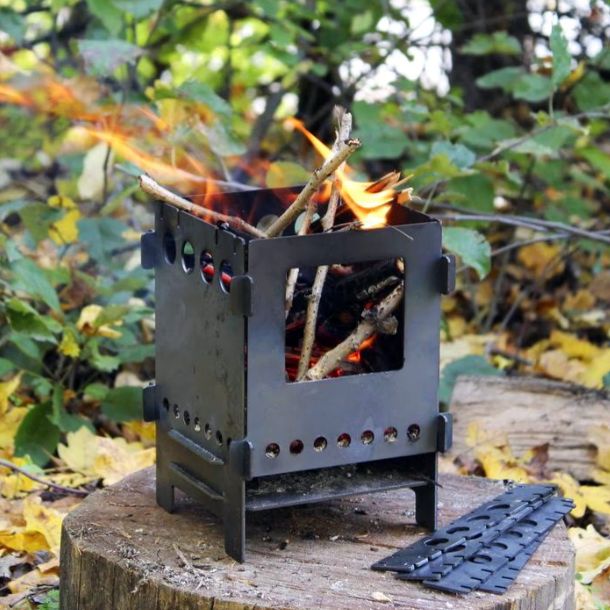
Firewood
How long birch, maple, and oak actually take to dry in different Canadian regions, and how to confirm readiness before the heating season.

Chimney Care
Annual inspection schedules, creosote accumulation thresholds, and WETT certification requirements that apply to residential wood-heating installations.
By the Numbers
2.0 g/hr
EPA Step 2 maximum particulate emission limit
15–20%
Target moisture content for well-seasoned firewood
1×/yr
Minimum chimney inspection frequency recommended by WETT
Installation
Wood Energy Technology Transfer (WETT) certification is not a product standard — it is a technician qualification. A WETT-certified inspector assesses whether an installation meets CSA B365, the Canadian standard for solid-fuel-burning equipment. The inspection covers flue sizing, connector routing, clearances to combustibles, hearth pad dimensions, and air supply provisions.
Most home insurance policies in Canada require a WETT inspection report before extending coverage to a property with a wood-burning appliance. Permit requirements vary by municipality, but installations that change a flue configuration or add a new appliance generally trigger a building permit requirement regardless of province.
View StandardsGet in Touch
For corrections, content feedback, or general enquiries about wood heating topics covered here.